
A Complete Guide to Egypt’s UNESCO World Heritage Sites
Egypt is one of the world’s richest destinations for history, culture, and archaeology. Home to several UNESCO World Heritage Sites, the country preserves thousands of years of human civilization through its magnificent temples, ancient cities, historic monuments, and breathtaking landscapes. These internationally recognized sites showcase Egypt’s extraordinary heritage and provide travelers with unforgettable opportunities to explore the legacy of one of the oldest civilizations on Earth. Whether you’re visiting for the first time or returning to discover more, Egypt’s UNESCO World Heritage Sites offer a journey through history unlike anywhere else in the world.
Each UNESCO-listed destination highlights a different chapter of Egypt’s remarkable story. From the timeless pyramids and magnificent temples to historic religious landmarks and protected natural landscapes, these sites reflect the country’s incredible cultural diversity and historical importance. Exploring them allows visitors to experience the best of Egypt while gaining a deeper appreciation of its global heritage.
One of Egypt’s most famous UNESCO World Heritage Sites is the Memphis and its Necropolis area, which includes the Pyramids of Giza, Saqqara, Dahshur, and Abu Rawash. This remarkable archaeological zone is home to the Great Pyramid of Giza, the Great Sphinx, and the Step Pyramid of Djoser, the world’s oldest large-scale stone pyramid. Together, these monuments represent some of humanity’s greatest architectural achievements and remain among the most visited historical attractions in the world.
Further south, Ancient Thebes with its Necropolis, located in modern-day Luxor, is another UNESCO treasure. Often called the world’s greatest open-air museum, this remarkable site includes the magnificent Karnak Temple, Luxor Temple, the Valley of the Kings, the Valley of the Queens, the Temple of Hatshepsut, and the Colossi of Memnon. Every monument reflects the power, artistry, and religious traditions of ancient Egypt during its golden age.
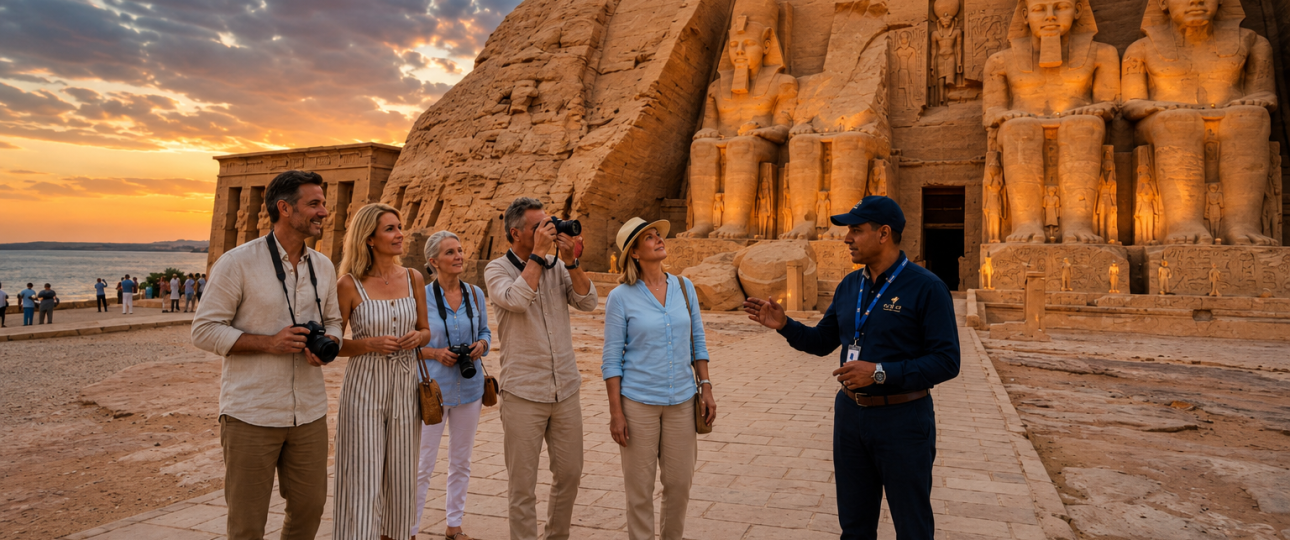
In southern Egypt, the Nubian Monuments from Abu Simbel to Philae form another extraordinary UNESCO World Heritage Site. The colossal Abu Simbel Temples, carved into solid rock by Pharaoh Ramses II, stand among Egypt’s greatest archaeological masterpieces. Nearby, the beautiful Temple of Philae, surrounded by the waters of the Nile near Aswan, combines elegant architecture with peaceful natural scenery, creating one of Egypt’s most memorable historical experiences.
Historic Cairo offers visitors a completely different perspective on Egypt’s heritage. Recognized by UNESCO for its exceptional collection of Islamic architecture, the district is home to centuries-old mosques, madrasas, palaces, markets, and historic streets. Walking through Historic Cairo allows travelers to experience the rich cultural traditions that shaped the city long after the era of the pharaohs.
Another remarkable UNESCO site is Saint Catherine Area in the Sinai Peninsula. Surrounded by dramatic mountain landscapes, this sacred destination is famous for Saint Catherine’s Monastery, one of the oldest continuously operating Christian monasteries in the world. The peaceful setting, religious significance, and stunning natural scenery make it a unique destination for both history enthusiasts and spiritual travelers.
Nature lovers will also appreciate Wadi Al-Hitan, or the Valley of the Whales, located within Egypt’s Western Desert. This UNESCO World Heritage Site preserves one of the world’s most important collections of prehistoric whale fossils, providing fascinating evidence of the evolution of marine mammals millions of years ago. Its extraordinary desert landscape offers a completely different experience from Egypt’s ancient monuments while highlighting the country’s rich natural heritage.
Visiting Egypt’s UNESCO World Heritage Sites offers more than simply exploring famous landmarks. Each destination tells a unique story about the civilizations, cultures, religions, and natural environments that have shaped the country throughout history. Guided tours often enrich the experience by explaining the historical context, architectural details, and cultural significance behind every site.
The best time to explore Egypt’s UNESCO World Heritage Sites is between October and April, when temperatures are cooler and ideal for sightseeing. Comfortable walking shoes, lightweight clothing, sunscreen, and plenty of water are recommended, especially when visiting outdoor archaeological sites. Planning an itinerary that combines several UNESCO destinations allows travelers to experience the remarkable diversity that Egypt has to offer.
Egypt’s UNESCO World Heritage Sites represent some of humanity’s greatest historical and cultural achievements. From the iconic pyramids and magnificent temples to historic cities, sacred monasteries, and unique natural landscapes, every destination reveals another chapter of Egypt’s extraordinary story. Exploring these remarkable sites offers travelers an unforgettable journey through thousands of years of civilization, making Egypt one of the most rewarding cultural destinations in the world.